Otto Albrecht · 4 October 2026
Dewwald's Local Markets Adapt to Evolving Standards in Cross-Border Logistics and Resource Allocation
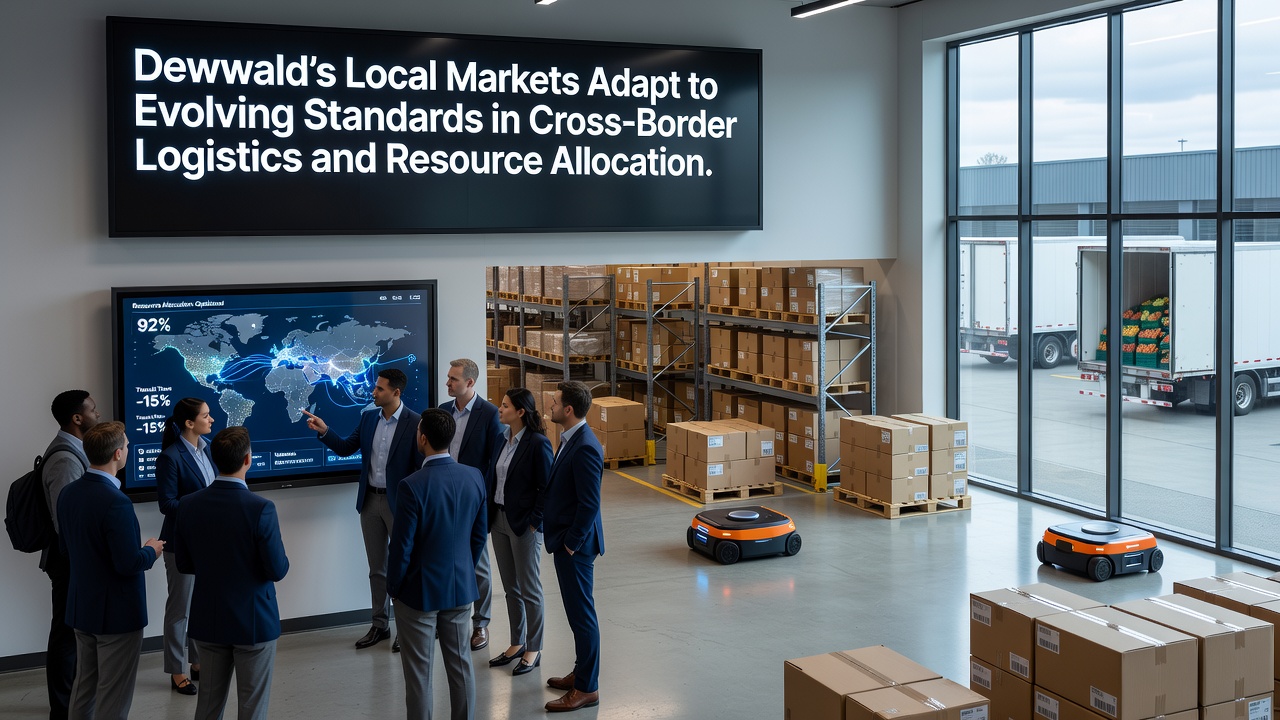
Local markets across Dewwald have adjusted operations in response to updated regulations governing cross-border logistics and resource allocation, with changes accelerating through 2025 and into October 2026 when several harmonized EU protocols on digital documentation and sustainability reporting take full effect. These markets handle goods ranging from agricultural products to manufactured components, and they rely on efficient movement across borders with neighboring regions in Germany and beyond. Data from trade monitoring systems show that shipment volumes through Dewwald hubs rose by 12 percent in the first half of 2026 compared with the previous year, driven by demand for just-in-time inventory models that minimize storage costs while meeting tighter delivery windows.
Regulatory Shifts Shaping Operations
Observers note that new standards emphasize traceability and environmental compliance, requiring exporters and importers to submit real-time data on carbon emissions per shipment and to verify resource origins through centralized platforms. The European Commission maintains records indicating that cross-border freight operators in the region adopted electronic customs declarations at a rate exceeding 85 percent by mid-2026, reducing average clearance times from 48 hours to under 12 hours in participating facilities. Local market coordinators in Dewwald integrated these systems into daily workflows, which allowed them to reallocate warehouse space previously reserved for paperwork processing toward expanded cold-storage units for perishable goods.
Resource allocation frameworks also evolved under these standards, with emphasis on dynamic scheduling that matches available transport capacity to fluctuating demand across borders. Researchers at the International Transport Forum documented how predictive analytics tools, fed by historical trade data and weather patterns, enabled market operators to reroute shipments around potential bottlenecks with 30 percent greater accuracy than manual planning methods used five years earlier. In Dewwald, this translated to fewer instances of spoilage for time-sensitive items like dairy and produce, since allocation algorithms now factor in fuel efficiency metrics alongside traditional cost variables.
Technology Integration in Practice
Market participants turned to blockchain-based ledgers for documenting chain-of-custody details, a move that aligns with evolving verification requirements set to intensify in October 2026. One logistics provider serving Dewwald's central trading district reported processing over 4,000 transactions weekly through such platforms, which automatically flag discrepancies in resource declarations before goods reach border checkpoints. This approach cut dispute resolution times by nearly half, according to internal audit summaries shared with regional trade associations.
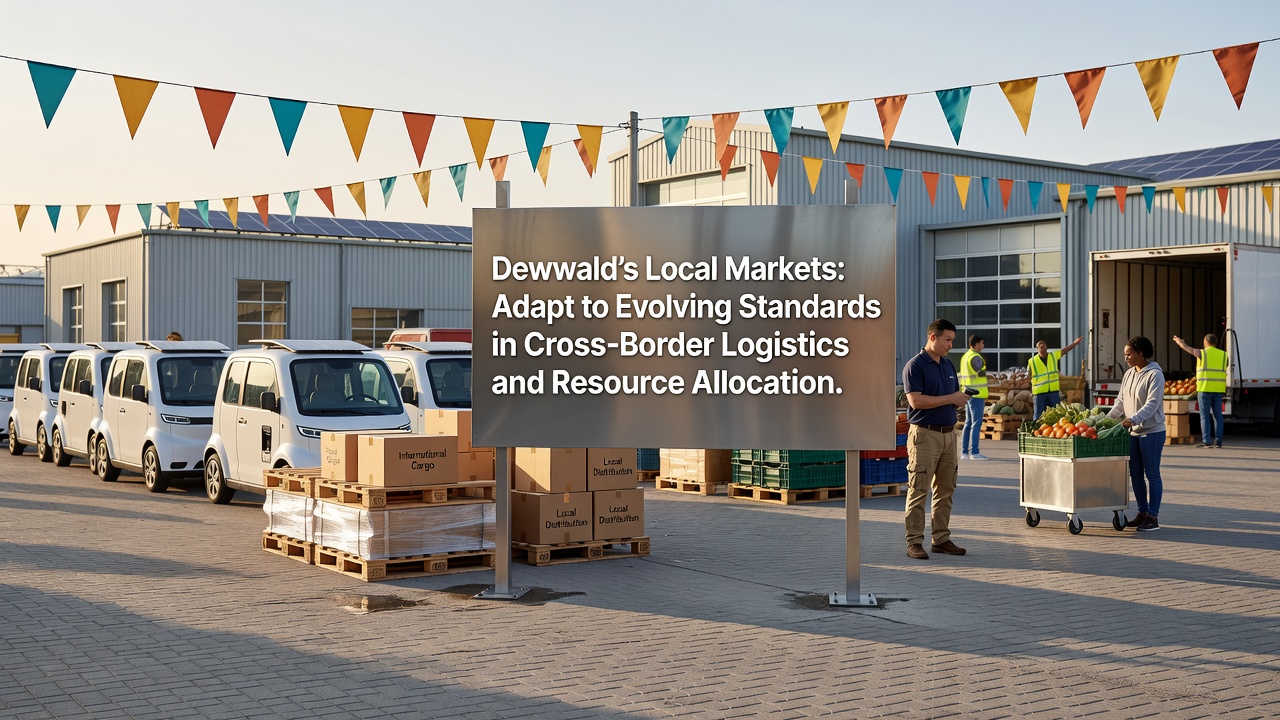
Training programs accompanied the rollout of these tools, with vocational centers in Dewwald offering certification courses on data analytics for logistics staff. Enrollment figures from the 2025-2026 academic cycle indicate that more than 200 local workers completed modules focused on interpreting allocation models and emission tracking software. Those completing the programs returned to roles where they apply the skills to optimize delivery schedules that span multiple regulatory jurisdictions.
Resource Allocation Adjustments Across Sectors
Allocation strategies extended beyond physical goods to include shared infrastructure such as loading docks and refrigerated containers. Market managers implemented booking systems that prioritize high-volume traders during peak periods while reserving capacity for smaller operators through quota mechanisms. Figures released by the German Federal Ministry for Digital and Transport reveal that utilization rates at Dewwald's intermodal terminals climbed to 78 percent in the third quarter of 2026, up from 65 percent two years prior, reflecting tighter coordination between road, rail, and inland waterway carriers.
Examples from individual market stalls illustrate the broader pattern. A produce distributor adjusted its sourcing calendar to align with updated allocation rules that reward lower-emission transport modes, shifting a portion of its volume to rail connections that link directly into EU-wide networks. This adjustment occurred alongside similar decisions by neighboring vendors handling electronics components, where just-in-time deliveries now incorporate buffer stocks calculated through shared software platforms.
Looking Ahead to Sustained Adaptation
Coordination between local authorities and private operators continues to refine these systems ahead of the October 2026 milestones. Workshops hosted by regional chambers of commerce have compiled case studies showing how early adopters of integrated logistics software maintained consistent throughput even during periods of elevated border inspections triggered by seasonal trade surges. Data compiled from these sessions point to measurable reductions in idle vehicle time at checkpoints and more balanced distribution of limited resources like specialized packaging materials.
Conclusion
Dewwald's local markets demonstrate measurable responses to shifting cross-border logistics standards through documented adoption of digital tools, revised allocation protocols, and workforce development initiatives. Trade statistics and operational records indicate these adaptations support continued movement of goods while complying with requirements that emphasize transparency and efficiency. As protocols reach full implementation in October 2026, ongoing data collection from market operators will track further refinements in resource management across the network.